
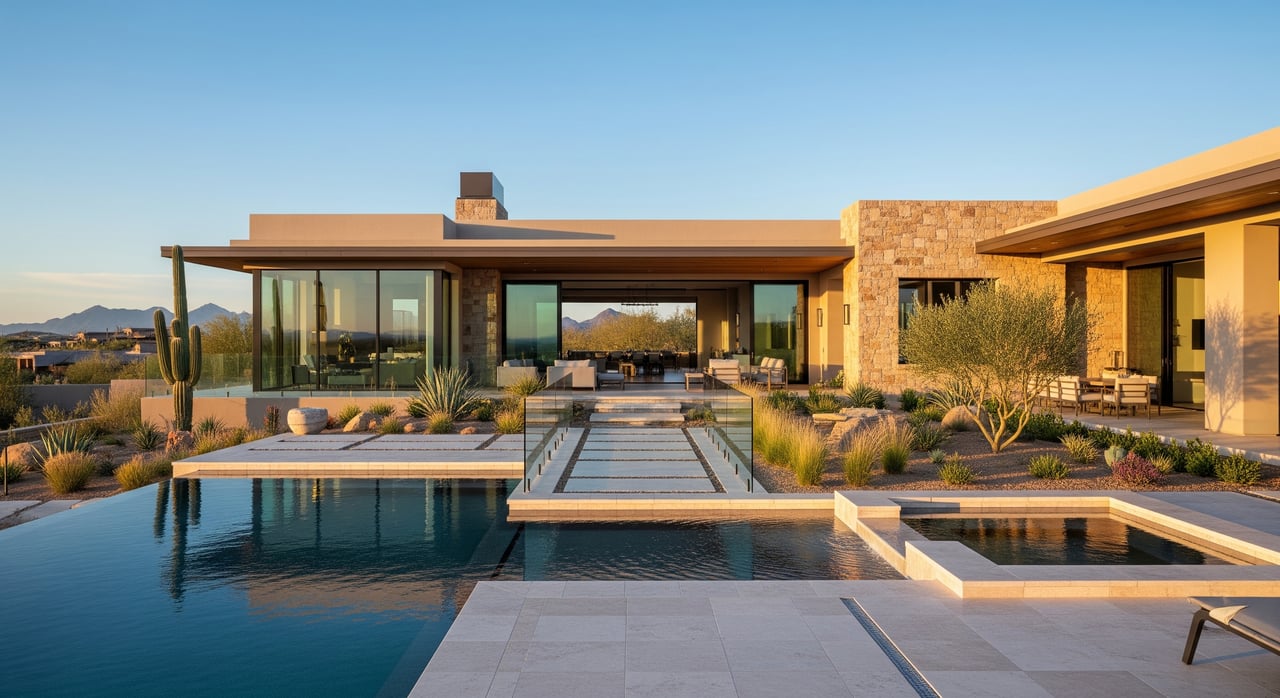
Outgrowing your starter home and eyeing more space in Gilbert? You’re not alone. Many families here are trading up for an extra bedroom, a bigger yard, and amenities that fit a busier life. In this guide, you’ll see where move-up buyers are focusing, what each area offers, and how to make a clear, confident choice. Let’s dive in.
How move-up buyers shop Gilbert
Gilbert is a suburban East Valley hub with strong access to Chandler, Tempe, Mesa, and Phoenix. Most homes sit in master-planned communities with parks, pools, and trails, plus predictable HOA standards. Move-up shoppers usually want 3 to 5 or more bedrooms, flexible spaces for an office or guests, and a usable backyard.
You’ll find a mix of established neighborhoods with mature landscaping and newer edge communities with larger lots and updated floor plans. The right fit depends on your priorities for commute, schools, lot size, and lifestyle amenities.
Neighborhoods to visit first
Master-planned communities
These areas balance amenities, consistent curb appeal, and community events. They fit buyers who want predictability and easy access to parks and pools.
- Power Ranch. Known for central parks, community pools, play areas, and trails. Homes are typically late-1990s to 2010s with practical floor plans. Trade-offs include HOA fees and lot sizes that are usually modest rather than estate-sized.
- Morrison Ranch. Tree-lined streets and green belts offer a classic neighborhood feel. You’ll see single-family homes with cohesive architecture and community amenities. Expect HOA guidelines and similar styles across homes.
What to weigh: You get family-friendly amenities and tidy streets, but you’ll trade off some yard size and design variety.
Lakeside and gated enclaves
These pockets emphasize privacy and upgraded amenities that appeal to buyers seeking a lifestyle jump.
- Val Vista Lakes. Offers waterfront lots in select areas, private community facilities, and a blend of semi-custom and custom homes. It’s popular with buyers who want polished curb appeal and a refined community environment.
What to weigh: Expect a higher purchase price and HOA fees, plus CC&R rules that shape exterior changes. Waterfront homes can come with added maintenance and insurance considerations.
Farm-style and lifestyle pockets
If you want neighborhood character and a built-in sense of community, this category is for you.
- Agritopia. Farmstead-inspired streets, local cafés and small retail, and regular community events. It’s walkable by suburban standards and offers a boutique feel.
What to weigh: Lots can be smaller, and you may pay a premium for the unique lifestyle and walkability.
Newer edge and custom-lot sections
On the southeast edge of Gilbert and near Higley, you’ll find newer builds and larger lots.
- Southeast Gilbert/Higley pockets. These areas often feature newer construction, flexible floor plans, and room for extras like AV-ready spaces, a detached casita, or RV setups depending on local rules.
What to weigh: You may face longer commutes and fewer mature trees, but you gain modern layouts, energy-efficient systems, and more yard.
Historic downtown and infill
If you want to be close to restaurants and events, downtown Gilbert can be a great fit.
- Historic Downtown Gilbert and nearby infill. Walkability to dining and entertainment, with a mix of preserved bungalows and updated homes.
What to weigh: Older homes may need renovations and yards tend to be smaller. You’re paying for location and lifestyle more than square footage.
Key trade-offs to weigh
- Larger lot vs. commute and yard maintenance
- Higher-rated schools vs. price and available inventory
- Newer construction vs. mature landscaping and an established neighborhood feel
- Gated or lakeside amenities vs. HOA rules and higher ongoing costs
- Walkable downtown lifestyle vs. smaller home and lot size
- Buying now vs. waiting for more inventory or new phases
Commute and daily rhythm
Gilbert provides solid access to the Loop 202 and US-60, which helps if you work in Chandler, Tempe, Mesa, or Phoenix. Commute times vary with traffic and where you live within Gilbert. If you’re considering a move, map your likely morning and evening routes from each neighborhood you tour.
If you expect frequent trips to Chandler tech campuses, a home closer to the southwestern or western side of Gilbert may help. If you commute to Tempe or central Phoenix, proximity to freeways and strong arterial roads can matter more than raw distance.
Schools and boundaries 101
Gilbert is served primarily by Gilbert Public Schools, with parts of town also intersecting other districts and charter options. Many schools perform above state averages, though ratings vary by boundary and change over time. If schools influence your search, verify current boundary maps, feeder patterns, and performance through district resources and statewide reporting.
Open enrollment and charter lotteries affect access for some families. If you’re considering specific programs, begin the research early so you understand timelines and requirements before you write an offer.
HOA, CC&Rs, and ongoing costs
Most master-planned and gated areas include HOAs with monthly or annual fees. Review the documents for exterior rules, paint schemes, pet restrictions, rental rules, and what amenities are covered. One community might include extensive facilities and events, while another keeps it simple.
Budget beyond the purchase price. Consider HOA dues, property taxes, insurance, utilities on a larger home, and landscaping. Lakeside properties may carry different insurance needs, and larger yards will add to water and maintenance costs.
Features that matter when you move up
- An extra bedroom for guests or a home office
- A larger primary suite with storage and a comfortable bath layout
- An open kitchen with space for gatherings
- A 2 to 3 or more car garage for cars, gear, and hobbies
- A usable backyard for kids and pets, with room for a pool or play area if that’s on your wish list
New vs. established: what fits you
Newer builds often mean modern layouts, energy efficiency, and fewer immediate repairs. Established neighborhoods deliver mature trees, finished landscapes, and a settled community feel. Both can work well. If you want flexibility for an outdoor kitchen or a casita, newer edge areas may fit. If you want shade, walkability, and quick access to amenities, a central master-planned community or downtown infill might win.
Smart next steps
- Shortlist 3 to 5 neighborhoods. Align them to your top priorities: schools, lot size, commute, amenities.
- Verify school details. Check current boundary maps, feeder patterns, and performance data before you write an offer.
- Review the market. Look at recent solds and active listings, plus 30/60/90-day trends for days on market and absorption.
- Request HOA and CC&R docs early. Compare fees, rules, and any planned assessments.
- Talk to a lender. Explore contingent offers, bridge loans, and how your monthly payment changes as you move up in price and size.
- Tour with a checklist. Note immediate repairs, landscape needs, and whether the home solves your space pain points.
How we help you compare faster
When you’re moving up, timing and clarity matter. You want neighborhood-specific guidance, clean data, and fast action when the right home hits. Sanctuary Realty Group pairs local neighborhood expertise with a tech-driven engine that helps you shortlist, tour, and offer with confidence. We surface on and off-market opportunities, pull targeted comps, stress-test your commute, and coordinate inspections, disclosures, and HOA reviews so you can focus on fit and timing.
If you’re ready to see where your options are strongest, reach out to Krzysztof Okolita and the Sanctuary Realty Group team. We’ll help you build a smart plan, compare your top neighborhoods, and move up with less stress.
FAQs
Which Gilbert neighborhoods have higher-rated schools and how do I confirm boundaries?
- Many areas feed into well-regarded schools, but ratings vary by boundary and change over time; verify current maps, feeder patterns, and performance through district and state resources before you offer.
How much more space can I expect when I move up in Gilbert?
- Typical move-up choices range from modest suburban lots in master-planned communities to roughly quarter- to half-acre or larger lots toward the edges and in select custom pockets.
Are lakeside or gated communities worth the premium for families?
- They offer privacy, amenities, and curb appeal; weigh the higher price and HOA rules against how much you value those lifestyle features.
What do HOAs usually cover and cost in Gilbert?
- It varies widely by neighborhood; review HOA documents for fees, amenities, design rules, and any planned assessments to understand the true monthly impact.
How will moving up affect my commute to Chandler, Tempe, or Phoenix?
- Proximity to Loop 202 and US-60 helps, but times vary by location and rush hour; test-drive your routes from short-listed neighborhoods at peak hours.
Should I pick new construction on the edge or an established central neighborhood?
- Choose newer builds for modern layouts and lower immediate maintenance, or established areas for mature landscaping and central access; decide based on commute, yard size, and timeline.
What financing options can help if I must sell first?
- Consider contingent offers, bridge loans, using existing equity, or short-term renting out your current home; speak with a lender early to map the best path for your situation.
